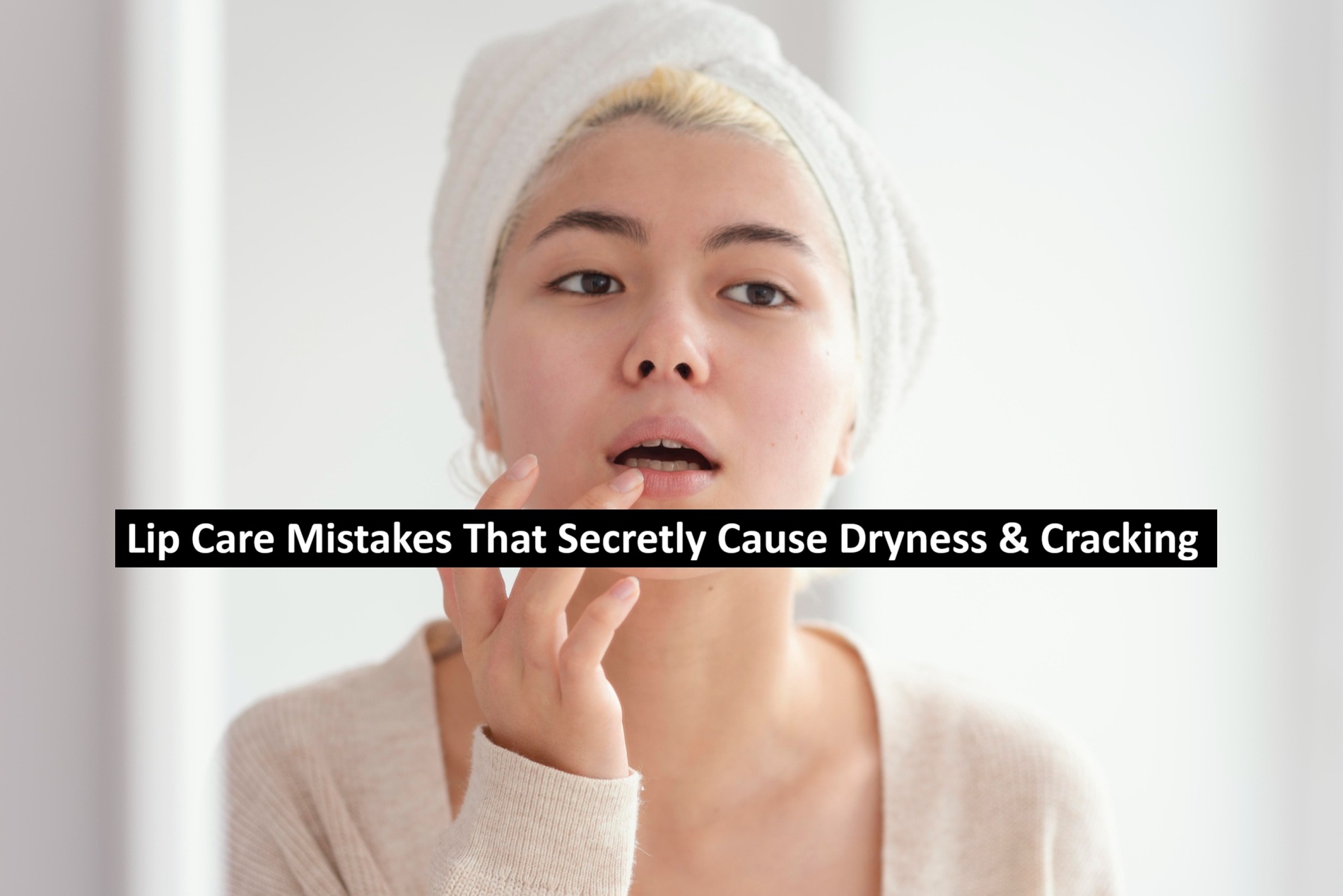
Lip Care Mistakes That Secretly Cause Dryness & Cracking
Have you ever applied lip balm multiple times a day and still felt like your lips were dry, tight, or peeling? You’re not alone. Many people assume their lips are just “naturally dry,” but more often than not, the real culprit is the way we care for them-or rather, how we don’t care for them properly.
Lips are delicate. They have no oil glands, which makes them highly vulnerable to dryness, environmental stress, and damage. Small, seemingly harmless habits can slowly erode their natural moisture barrier, leading to cracks, peeling, pigmentation, and that constant feeling of needing lip balm.
In this post, we’ll explore the common lip care mistakes that most of us unknowingly make, why they harm our lips, and what practical steps you can take to restore soft, healthy lips.
1. Overusing Silicone-Based Lip Balms
Many commercial lip balms feel moisturizing at first because of silicone-heavy ingredients. They coat your lips with a silky layer that makes them feel smooth and soft. It feels good, right? But here’s the problem: that layer doesn’t actually hydrate your lips. Instead, it traps a thin film on the surface, giving a temporary sensation of moisture while the lips underneath remain dry.
This is why people end up reapplying every hour. That cycle – balm, dry lips, balm again – can feel like lip “addiction.” The lips aren’t actually dependent; they’re just not getting the hydration they need from the formula.
Switching to silicone-free lip balms can make a huge difference. These balms don’t create a false barrier; they actually nourish and moisturize your lips. Over time, you’ll notice you don’t need to reapply constantly, and your lips will feel naturally soft without that endless cycle.
Tip: Look for a lip balm that emphasizes hydration rather than shine or slip. If your lips stop craving constant balm, you know your routine is finally working.
Read: 10 Best Men’s Designer Short Sleeve Shirts You Need This Summer
2. Licking, Picking, and Ignoring Hydration
One of the most common habits that damages lips is lip licking. It seems natural when lips feel tight or dry, but saliva evaporates quickly, leaving lips drier than before. The enzymes in saliva also break down the delicate lip barrier, leading to chapping, peeling, and irritation over time.
Similarly, picking at peeling skin is a big no-no. That tempting flake might feel like it’s ready to come off, but you’re often pulling away healthy skin along with the dead layers. The result? Red, raw, and sensitive lips that take longer to recover.
Water intake also plays a huge role in lip health. Even mild dehydration can make lips appear dull and more prone to cracking. Drinking water throughout the day keeps your lips naturally plump and soft. Foods rich in water content, herbal teas, and hydrating fruits also help.
Quick fixes for everyday hydration:
- Apply a gentle, silicone-free balm instead of licking.
- Keep lips covered in cooler or windy weather.
- Hydrate internally with water and hydrating foods.
- Be patient with peeling – let it soften naturally with balm rather than picking.
3. Skipping Sun Protection and Nighttime Care
Many people diligently apply sunscreen to their face but forget their lips. This is a mistake. Lips are highly susceptible to UV damage, which can cause darkening, dryness, and premature aging. Even short sun exposure during daily activities can slowly darken lips over time.
Nighttime is equally important. Skin repairs itself while you sleep, and lips are no exception. Going to bed without a protective balm or overnight treatment leaves lips vulnerable to dehydration and damage from air, bedding, and environmental stress.
Simple improvements:
- Apply a balm with SPF during the day if you’re going outside.
- Keep a small container of nourishing balm near your bed.
- Reapply at night, especially after exfoliation or a long day outdoors.
These small steps protect lips while letting them recover, reducing dryness and cracking over time.
4. Over-Exfoliating or Using Harsh Products
Exfoliation is important for removing dead skin cells, but many people overdo it. Brushing your lips with a toothbrush or using aggressive scrubs can cause micro-tears, sensitivity, and worsening dryness. Harsh toothpastes (especially those with SLS) and alcohol-heavy mouthwashes can further irritate the lips and surrounding skin.
Gentle exfoliation is key. Once a week is usually enough. You can use a sugar-based or enzyme-based scrub or even a soft washcloth. Follow immediately with a nourishing, silicone-free balm to lock in moisture. Over time, your lips feel smooth without the risk of damage.
Why it works:
- Mild exfoliation removes dead layers without harming healthy skin.
- Post-exfoliation hydration ensures your lips stay soft and plump.
- Avoiding harsh oral-care products reduces external irritation that contributes to dryness.
5. Over-Layering Lip Products
Many people think that layering multiple lip products – tints, glosses, lipsticks, and balms – will protect their lips and add color. In reality, over-layering can trap heat, irritate lips, and prevent balms from doing their job. Heavier formulas also cling to dry patches, making cracks more noticeable and even worsening flaking.
Keeping your routine simple often yields the best results. A single silicone-free lip balm applied as needed throughout the day can hydrate and protect lips without creating dependence. Layer other products sparingly, only when necessary for color or finish, and always apply a protective layer of balm underneath.
Practical routine suggestion:
- Morning: Apply a lightweight, hydrating balm with SPF.
- Day: Reapply a silicone-free balm when lips feel dry.
- Evening: Apply a thicker balm or overnight treatment.
- Optional: Light color or gloss if you want a tint, but avoid heavy layering daily.
Conclusion
Dry, cracked lips are often the result of everyday habits rather than your body’s “natural dryness.” Licking, picking, skipping hydration, ignoring sun protection, over-exfoliating, and using silicone-heavy balms can silently damage your lips over time.The good news? Fixing your routine is simple. Focus on hydration, gentle care, and protection. And don’t underestimate the power of a silicone-free lip balm – it hydrates effectively, nourishes your lips, and avoids the repeated reapplication cycle that leads to “lip balm addiction.” With a few small changes, your lips can feel soft, healthy, and naturally smooth again. Consistency is key – and sometimes, less is more.